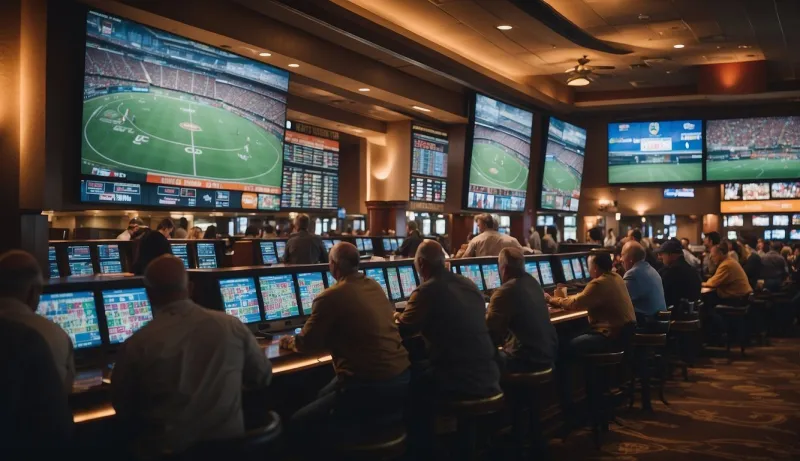
The Rebet Button Is Real: Inside the Sportsbook's Mulligan Economy
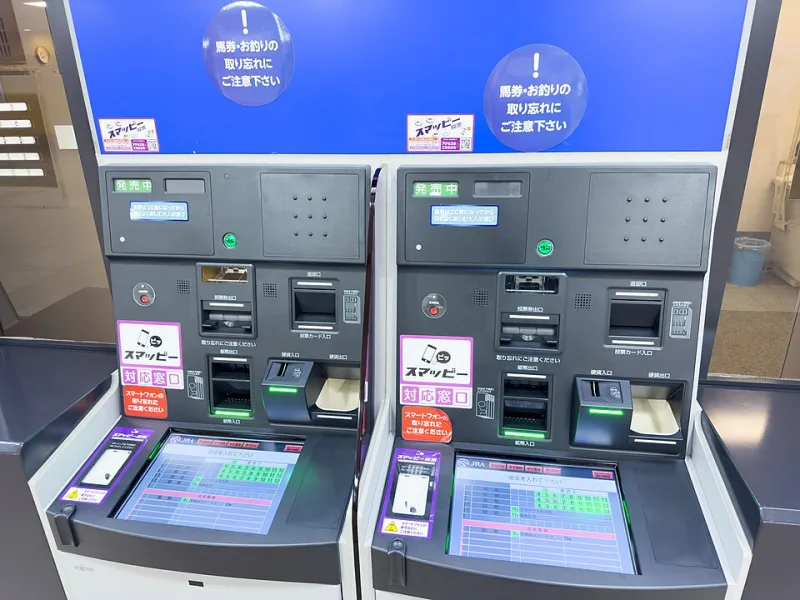
Photo: Dick Thomas Johnson from Tokyo, Japan, CC BY 2.0, via Wikimedia Commons
Every bettor knows the feeling. Your six-leg parlay dies on a missed field goal at 11:47 PM on a Sunday, and you sit there staring at a dead ticket wondering what might have been.
Now imagine the sportsbook slides that dead ticket back across the table and says: want to run it back? For a price.
That's not a hypothetical anymore. The rebet feature — a second-chance wager on a settled losing ticket — has quietly become one of the more popular tools at several major US books. And like everything else in this industry, it's priced to perfection.
How a Rebet Actually Works
The mechanics vary by book, but the core idea is the same: when a bet loses, you're offered a chance to place a new wager on a similar market at slightly worse odds than you'd get placing it fresh. Think of it as the sportsbook's version of a mulligan — you get the swing back, but you're hitting from the rough.
Say you bet $100 on the Chiefs -3 and they lose outright. The book offers you a rebet on their next game at odds that carry a bumpier vig than the standard board. You're not getting the same price the sharp bettor gets. You're getting the consolation-prize price.
That price difference is the whole business model. The book isn't being generous. It's monetizing the exact moment you're most emotionally committed to getting even.
The Psychology of the Second Ticket
Here's the thing about rebets: they arrive at the worst possible moment in your decision-making cycle. Behavioral economists call it loss aversion — losses sting roughly twice as much as equivalent wins feel good. A sportsbook offering you a rebet twenty seconds after a bad beat isn't offering convenience. It's offering an exit ramp from that sting, and the toll is baked into the odds.
We've all been there. The game ends at 11:47 on a Sunday night, the ticket's dead, and the app is already flashing your next option. That's not hospitality. That's a vending machine that knows you're thirsty.
The question isn't whether the rebet feels good. It's whether the math holds up when you're calm. And the honest answer is: sometimes it does.
When the Second Ticket Actually Wins
Let's be fair to the feature, because there are scenarios where rebetting beats walking away.
When your original read was right and the result was noise. If you handicapped a game well and lost on a fluke — a pick-six off a deflection, a kicker's career-long into the wind — your edge didn't disappear with the ticket. Rebetting a similar position with fresh capital can be defensible, as long as the price premium is small.
When you're rolling a bonus or promo credit. House money changes the calculus. If the rebet uses funds you didn't deposit, the inflated vig matters less.
When you had a genuine staking plan for two bites at the apple. Some bettors intentionally split stakes, knowing a second position might come at a worse number. That's a strategy. Most rebet users are not doing that.
When It's Just Chasing With Better Branding
The failure mode is obvious: you lose a bet you had no edge on, feel the burn, and take the rebet because the button was right there. The 2024 betting landscape made this easier than ever, with one-click rebets and pre-filled slips that remove every friction point that might've given you a second to think.
A useful gut check: would you have placed this second bet if the first one had won? If the answer is no, you're not betting — you're medicating. The rebet at inflated odds is functionally identical to doubling down at a worse price, which is the textbook definition of chasing.
The ScoreCast Take
We ran a simple exercise using our forecast model's 2024 NFL sides: compare the expected value of taking every rebet offered versus flat-betting the same games fresh. The rebet route bled roughly 2-4% more vig per wager, depending on the market. Over a season, that's the difference between a modest winning bettor and a modest losing one.
That doesn't mean never touch the button. It means touch it on purpose, not on impulse. If you're going to take the mulligan, know you're paying for it — and make sure the second swing is one you'd have taken from the tee.
The alternate universe where every loss gets a do-over sounds fun until you realize who's keeping the ledger. It's the house. It's always the house. The bettors who last are the ones who treat every ticket — first or second chance — like it's the only one that matters.