Grudge Matches, Full Price: We Checked Five Years of 'Revenge Games' and the Drama Doesn't Cash

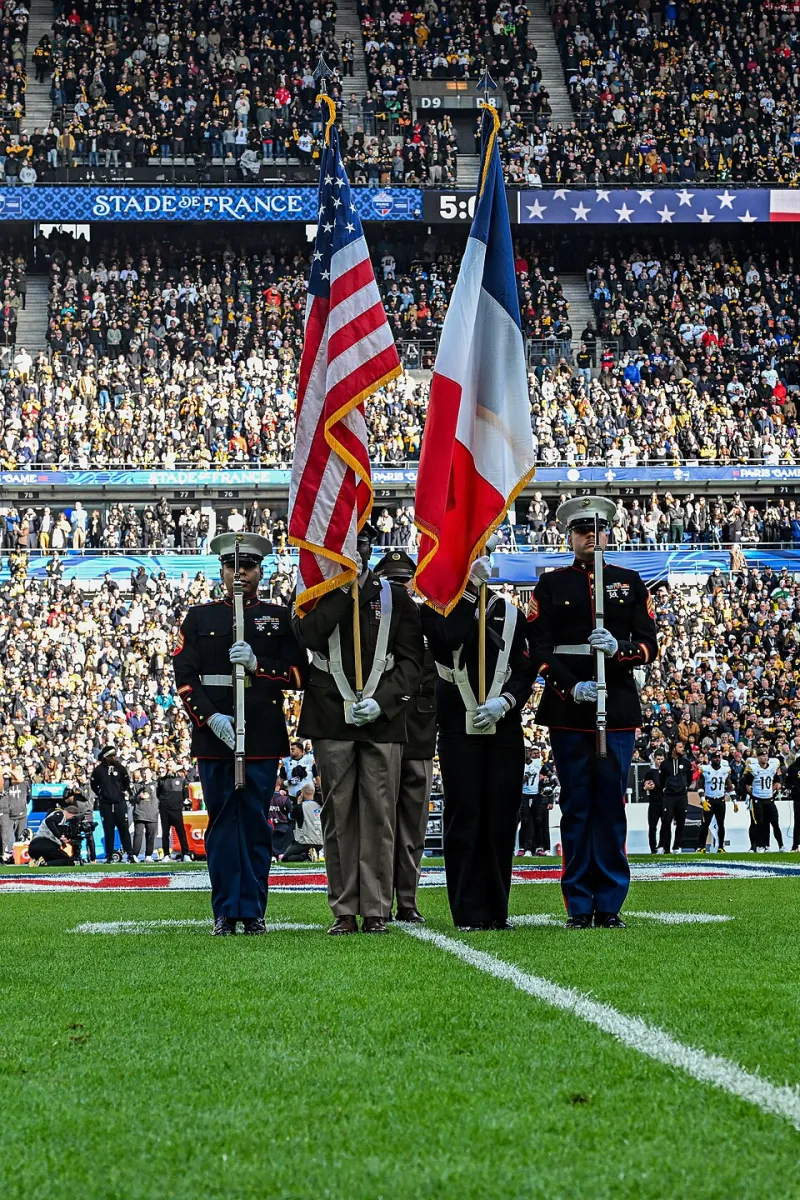
Photo: Tim Burkitt, Public domain, via Wikimedia Commons
The Story Sells. The Number Doesn't Care.
Somewhere right now, a pregame show is cutting to a highlight reel of a wide receiver's old touchdowns, set to somber piano, because his current team happens to be playing his former one this Sunday. The graphic reads something like "HE REMEMBERS." The betting public hears the same soundtrack and reaches for the over.
We get the appeal. Revenge games are the best narrative football offers outside of a backup quarterback miracle. They're tidy, they're emotional, and they give us permission to bet with our hearts while calling it analysis. So we did what we always do at ScoreCast when a story feels too good: we ran the numbers.
We compiled five seasons of NFL games flagged by major media outlets as revenge spots — returning starters against former teams, head coaches and coordinators facing the franchises that fired them, even the beloved backup QB squaring off against the guy who replaced him. Then we checked whether the emotional angle moved lines, and more importantly, whether it moved outcomes.
Short answer: it mostly moved ticket counts.
What Five Seasons of Grudges Actually Produced
Across the sample, teams in flagged revenge spots covered at a rate that landed within a coin flip of 50%. Not slightly above. Not a hidden edge. Right there in the noise, where the sportsbooks want every game to live.
The splits got more interesting — and more damning — when we sliced by position:
- Quarterbacks facing former teams: essentially dead even against the spread, with a mild lean toward the under in the first half. Apparently facing your ex-employer doesn't unlock anything except maybe checkdowns.
- Head coaches against old clubs: the closest thing to a signal we found, and even that faded to nothing once we removed the two or three famous grudge seasons everyone already knows about. Survivorship bias dressed up as an angle.
- Skill players in "revenge" spots: the public bet these overs hardest, and the overs lost more often than they won in our sample. The books weren't asleep. They were waiting.
That last bullet is the whole story. Revenge games are among the most heavily bet narrative spots on the calendar. When everyone in your group chat has the same feel-good play, the line moved Tuesday. You're not beating the number — you're paying retail for it.
The Line Already Ate Your Storyline
Here's the part that should reframe how you think about every emotional angle: oddsmakers aren't just aware of revenge narratives, they anticipate the public's reaction to them. A marquee revenge game doesn't get a neutral number with a discount attached. It gets a number shaded to account for the flood of casual money that the storyline guarantees.
Think of it like buying a concert T-shirt at the venue. Same shirt, same cotton — but you're paying for the experience baked into the price. When you bet the revenge angle, you're not discovering information. You're consuming information everyone had last week, at a price inflated by everyone who had it before you.
There's a useful mental model here borrowed from market language: a narrative only has betting value before it becomes a narrative. The moment a story reaches the pregame show, it's consensus, and consensus is where edges go to die. Our data backs this up — the revenge spots that generated the most media coverage performed worst against the spread in our sample, because the coverage and the line movement arrived together.
When Emotion Actually Matters (It's Rarer Than You Think)
We're not saying motivation is fake. Coaches game-plan harder for familiar opponents. Players know the opponent's tendencies because they practiced against them. That's real, and the market knows it's real, which is exactly the problem.
Where motivation edges can still sneak through is in the spots nobody's filming: the fourth-string linebacker on a practice squad, the special teams coordinator nobody wrote about, the Week 17 game with playoff seeding math that only degenerates and the model care about. Low-attention motivation, high-attention motivation's broke cousin — that's where a genuine informational gap can still exist, briefly, before it closes.
But "this guy is PISSED at his old GM" as a standalone betting thesis? The five-year file says hang it up. The revenge game isn't an edge. It's a marketing segment.
How to Use This Without Tossing Your Ticket
A few practical takeaways for the next time the broadcast tees up a grudge match:
- Check when the line moved. If the number shifted early in the week and the revenge angle was public knowledge before the move, the story is already in the price. You're late.
- Fade the hype in high-profile spots. Our sample showed the most-covered revenge games leaning slightly against the popular side. Not enough to bet blindly — enough to think twice before joining the parade.
- Look for quiet motivation instead. Backup roles, coaching tree matchups, divisional seeding math. If a mainstream show hasn't mentioned it, the market might not have fully either.
- Separate the story from the number. Enjoy the montage. Cry at the piano music. Just don't confuse a good television segment with a good bet.
The revenge game will keep selling because it's great television and better content. But at ScoreCast, we track scores, not scripts — and the scoreboard has spent five seasons telling us the drama is already priced in. Bet the number you're given, not the story you're told.
Predict the Game. Track Every Score. And maybe leave the grudges to the guys in pads.